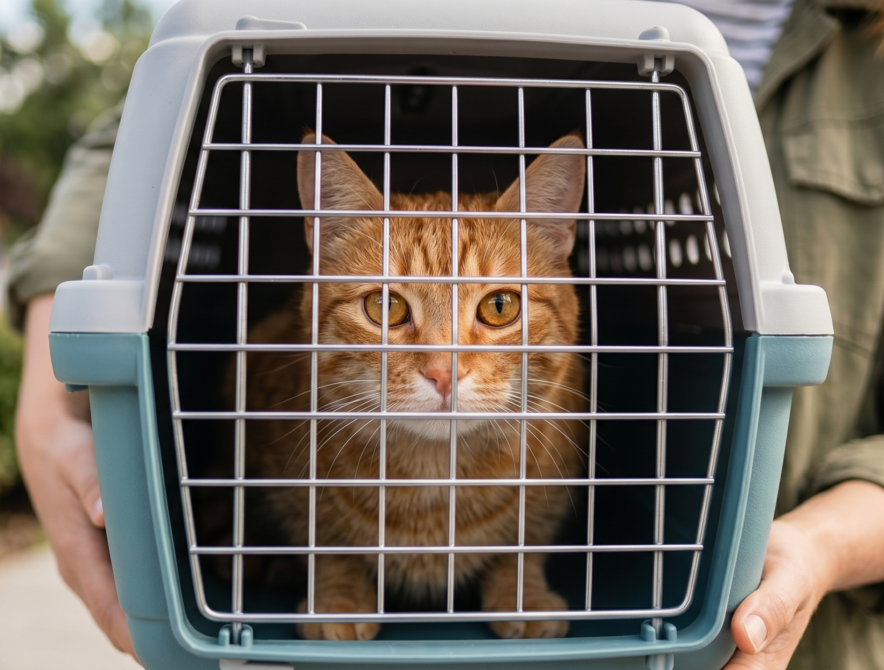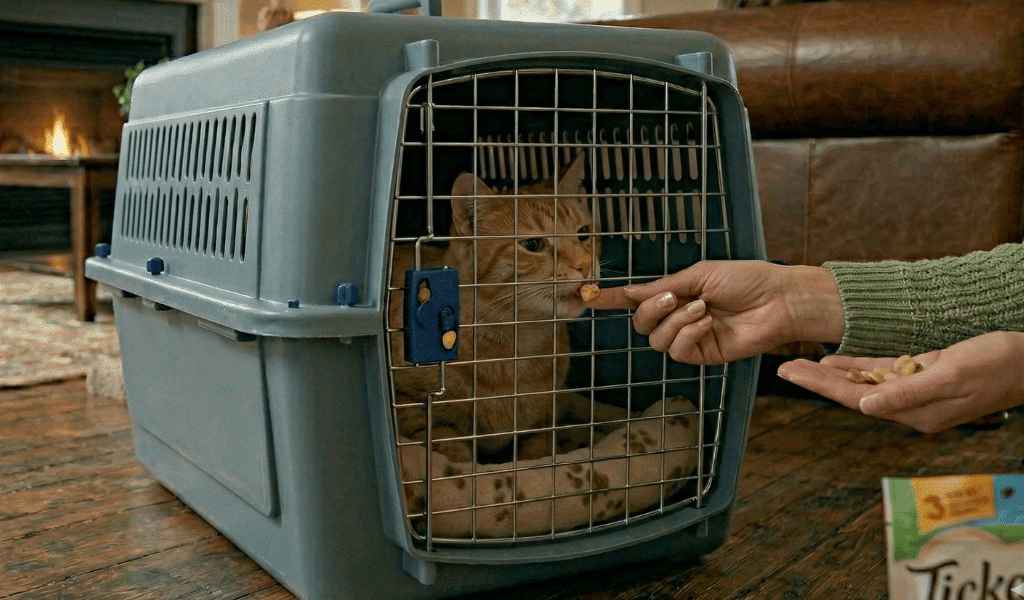

Some behavior concerns go beyond everyday manners or obedience. A veterinary behavior consultation may be appropriate when a problem is severe, persistent, appears suddenly, creates a safety concern, or significantly affects your pet’s or family’s quality of life. These behaviors can involve a complex combination of health, emotion, environment, and past experiences.
Through veterinary behavioral medicine, Dr. Erika Cantamessa helps owners better understand what may be contributing to their pet’s behavior and whether medical care, behavior modification, training support, or a combination of approaches may be appropriate. The concerns below are some of the reasons a dog or cat may benefit from further evaluation.

Growling, lunging, snapping, biting, or intense reactions toward people or other animals.

Persistent fear, panic, hiding, trembling, noise phobias, or difficulty coping with ordinary situations.

Destruction, vocalization, escape attempts, or panic-like behavior when left alone.

Persistent licking, pacing, tail chasing, over-grooming, or other difficult-to-interrupt behaviors.

Recurring tension, fighting, guarding, avoidance, or changes in relationships between animals in the home.

These are cognitive affects. New aggression, confusion, nighttime restlessness, house-soiling, withdrawal, or personality changes.
Not every behavior problem is the same
Best suited for teaching manners, communication, and practical skills that help pets function successfully at home and in public.
In some cases, veterinary care and qualified positive-reinforcement training work best together. A veterinarian and qualified trainer may collaborate when both medical evaluation and behavior-modification support are needed.
A pet’s behavior does not exist separately from their physical health, emotional state, and surroundings. Aggression, fear, withdrawal, restlessness, house-soiling, or other changes may sometimes be influenced by pain, illness, cognitive changes, anxiety, or stress within the animal’s environment.
Veterinary behavioral care considers the whole animal. Dr. Cantamessa reviews the pet’s medical history, the circumstances surrounding the behavior, and the patterns the owner is seeing at home. When appropriate, she may recommend a physical examination, diagnostic testing, environmental changes, behavior-management strategies, or additional support.
Pain can change how a pet moves through the world. A dog or cat who is sore, stiff, injured, or uncomfortable may have less tolerance for touch, handling, play, noise, other animals, or ordinary household activity. Sometimes the behavior looks like “grumpiness,” avoidance, snapping, growling, hiding, restlessness, or sudden resistance to things the pet used to accept.
That does not mean every behavior problem is caused by pain. But when a behavior appears suddenly, gets worse over time, or seems connected to being touched, picked up, groomed, walked, or approached, a veterinary evaluation can help determine whether physical discomfort may be part of the picture.
Example: Dr. Cantamessa may see a dog whose family is worried because he has started growling when someone reaches toward his collar or tries to move him off the couch. At first, the behavior may look like stubbornness or dominance. But after looking at the full history, timing, movement, and physical comfort of the pet, the concern may point toward pain or sensitivity that needs to be addressed before behavior work can be successful.
Changes in health can affect more than a pet’s appetite or energy level. Illness, hormonal changes, infections, organ disease, neurological concerns, or other medical conditions may influence sleep, activity, tolerance, awareness, and emotional responses. A pet who does not feel well may seem withdrawn, restless, irritable, clingy, confused, or unusually reactive.
Behavior changes are especially important to notice when they appear suddenly or do not match the pet’s normal personality. A veterinary evaluation can help determine whether an underlying health issue should be considered alongside the behavioral concern.
Example: Dr. Cantamessa may see a cat whose family is frustrated because she has started urinating outside the litter box. It may seem like a behavioral problem at first, but changes like this can sometimes be connected to pain, urinary issues, stress, mobility problems, or other health concerns. Before treating it as a litter-box habit alone, the medical side needs to be considered.
Fear and anxiety can change how a pet interprets ordinary situations. A dog or cat who feels unsafe or overwhelmed may react strongly to people, other animals, noises, separation, handling, travel, or changes in routine. These reactions are not always “bad behavior.” They may be signs that the pet is struggling to cope.
Stress can also build over time. A pet who repeatedly feels threatened or trapped may begin reacting sooner, faster, or more intensely than before. That can look like hiding, barking, growling, lunging, trembling, pacing, destruction, escape attempts, or shutting down completely.
Example: Dr. Cantamessa may see a dog who barks, lunges, and growls whenever unfamiliar people enter the home. The family may worry that the dog is simply aggressive, but the pattern may suggest fear or anxiety driving the reaction. In that kind of case, the goal is not just to stop the behavior, but to understand what the dog is experiencing and build a plan that helps the dog feel safer and respond differently over time.
Aging pets may experience changes in memory, awareness, hearing, vision, or sleep patterns. These changes can affect how they navigate the home, respond to familiar people, recognize routines, or cope with ordinary activity. A dog or cat who seems confused, restless, withdrawn, unusually clingy, or more reactive than before may be dealing with more than a simple behavior problem.
Sensory changes can also make the world feel less predictable. A pet who cannot hear someone approaching, see clearly in dim light, or process familiar surroundings the same way may startle more easily or react in ways that seem sudden or out of character.
Example: Dr. Cantamessa may see a senior dog who has started pacing at night, staring at walls, having accidents indoors, or reacting defensively when touched unexpectedly. The family may describe the dog as “not acting like himself.” In a case like this, the evaluation may consider whether age-related cognitive or sensory changes are contributing to the behavior.
Medications can sometimes influence a pet’s behavior, energy level, appetite, sleep, alertness, or emotional responses. This does not mean a medication is “bad” or should be stopped without veterinary guidance. It simply means medication history can be an important part of understanding a behavior change.
A veterinarian can review what the pet is taking, when the behavior began, and whether the timing could be relevant. This includes prescription medications, supplements, recent anesthesia, dosage changes, or combinations of treatments that may affect how the pet feels or responds.
Example: Dr. Cantamessa may see a dog who has become unusually restless, irritable, sleepy, or reactive after starting a new medication or changing dosage. The behavior may not be caused by the medication, but the timing is important enough to review as part of the bigger medical and behavioral picture.
A pet’s daily environment can have a major effect on behavior. Changes in schedule, household activity, noise, visitors, confinement, exercise, enrichment, sleep, or access to safe resting spaces can all influence how well a dog or cat copes. Even positive changes, such as a new baby, a move, a new pet, or a busier home, can create stress for some animals.
Routines also help pets predict what will happen next. When routines become inconsistent or overwhelming, some pets may become more anxious, reactive, demanding, withdrawn, destructive, or difficult to settle. Looking at the home environment can help identify patterns that may be contributing to the behavior.
Example: Dr. Cantamessa may see a dog whose behavior worsened after a move, a new work schedule, or the addition of another pet in the home. The family may feel like the behavior came “out of nowhere,” but the pet may be responding to changes in routine, space, attention, exercise, or predictability.
Pets learn from experience. A frightening event, repeated stress, lack of early exposure, previous conflict, or an unknown history can shape how a dog or cat responds to people, animals, places, handling, sounds, or specific situations. Sometimes the current behavior makes more sense when viewed as a learned response to something the pet has experienced before.
This is especially important for pets whose early life or prior environment is not fully known. The goal is not to blame the past, but to understand what the pet may have learned and how those associations can be changed with patience, safety, and an appropriate plan.
Example: Dr. Cantamessa may see a recently adopted shelter dog who freezes, hides, growls, or snaps when certain people approach or when specific objects appear, such as a leash, broom, crate, or food bowl. The family may not know the dog’s full history, but the pattern can still provide clues about what feels threatening to the dog and what kind of support may help.
Behavior can be affected by the relationships inside the home. Conflict between pets, competition for space or attention, guarding of food or resting areas, changes in family routines, or stressful interactions with people can all influence how a dog or cat behaves. Sometimes the problem is not one isolated behavior, but a relationship pattern that has become tense or unsafe.
These concerns can be especially complicated in multi-pet households. One animal may be avoiding, guarding, blocking access, staring, chasing, or escalating conflict, while another animal becomes fearful, defensive, or withdrawn. A veterinary behavior consultation can help look at the full household picture instead of blaming one pet as “the problem.”
Example: Dr. Cantamessa may see a household where two dogs who previously lived together peacefully have started fighting near doorways, food bowls, toys, or family members. The family may not know whether it is jealousy, dominance, fear, pain, or resource guarding. In a case like this, the goal is to understand the pattern, reduce risk, and create a plan that supports safety for everyone in the home.
What Veterinary Behavioral Care May Include
Every pet and household is different. A behavior plan for a fearful cat, a reactive dog, a senior pet with sudden changes, or two animals fighting in the same home should not look exactly the same.
Veterinary behavioral care begins by understanding the concern, the animal’s health, the household environment, and the owner’s goals. From there, Dr. Cantamessa may recommend a combination of medical care, safety steps, environmental changes, behavior-management strategies, and follow-up support.

When a behavior creates stress or risk, the first step is often reducing the chances for that behavior to escalate. This may include changes to the home environment, routines, handling, separation, introductions, or exposure to known triggers.
The goal is not to avoid the problem forever. The goal is to create enough safety and predictability for the pet and household to begin making progress.

Some pets need structured exercises that help them respond differently over time. These strategies may involve gradual exposure, new routines, reward-based learning, changes in owner handling, or helping the pet build calmer associations with specific situations.
The plan should match the animal’s needs, the owner’s capacity, and the realities of the household.

Behavioral concerns may be influenced by pain, illness, sensory changes, cognitive changes, or other medical factors. When appropriate, Dr. Cantamessa may recommend a physical examination, diagnostic testing, or treatment for health concerns that could be contributing to the behavior.
Medical care does not replace behavior work, but it may be an important part of understanding the whole picture.

Medication is not automatic, and it is not a shortcut. In some cases, however, medication may help reduce fear, anxiety, panic, or distress enough for the pet to learn and for the household to safely follow a behavior plan.
If medication is recommended, Dr. Cantamessa will discuss the purpose, expectations, monitoring, and follow-up needed.

Some cases benefit from teamwork. A qualified positive-reinforcement trainer may help owners practice behavior-modification exercises, adjust handling skills, and apply the plan in everyday life.
When a case requires a different level of specialty care, Caring Hands may also discuss referral options or additional support.

Behavioral improvement takes time, consistency, and follow-up. The goal is to create a realistic plan that supports both the pet’s wellbeing and the family’s ability to live safely and comfortably together.
What to Expect During a Consultation
Every behavior consultation is shaped by the individual pet, the household, and the concern being addressed. Some pets need help with fear or anxiety at the veterinary clinic. Others may need support for aggression, household conflict, separation-related distress, or behavior changes that may have a medical component.
Dr. Cantamessa’s approach begins with understanding the whole picture: what the owner is seeing at home, how the pet responds in the clinic, whether medical issues may be contributing, and what kind of plan is realistic for the pet and family.
A technician begins by gathering a brief history and obtaining basic vitals, such as weight, temperature, heart rate, and respiratory rate. This helps the team begin with the same foundation they would use for any veterinary visit, while also paying close attention to the pet’s comfort level and stress signals.
Dr. Cantamessa speaks with the owner about the behavior concern, when it happens, what may trigger it, how long it has been going on, and how it is affecting the pet and household. While this conversation is happening, she also observes the pet’s behavior, body language, and response to the exam-room environment.
When the pet is comfortable enough to be approached, Dr. Cantamessa may perform a physical exam to look for pain, illness, or other medical factors that could be contributing to the behavior. If the pet is too anxious or fearful, the exam may be delayed or adjusted. In some cases, the team may discuss medication or sedation before a future visit to make handling and diagnostics less stressful.
Training is often part of the solution, but the right plan depends on the pet. Dr. Cantamessa may discuss behavior-modification strategies, diagnostic testing, medication when appropriate, collaboration with a certified trainer, or consultation with a board-certified veterinary behavior specialist if the case requires additional support.
Follow-up depends on the severity of the concern and the needs of the pet and owner. Some pets may need only one consultation. Others may benefit from check-ins every one to two months, phone consultations, or more frequent visits when the goal is to reduce fear and anxiety at the clinic.
Not every serious behavior problem looks aggressive or dangerous. A behavior concern is worth addressing when it affects the pet’s quality of life, the owner’s quality of life, or the bond between the animal and the family.
Meet Your Behavioral Care Veterinarian
Dr. Erika Cantamessa has cared for pets and families at Caring Hands Veterinary Hospital since 2014. Alongside general veterinary medicine, she has developed a particular interest in helping dogs and cats experiencing fear, anxiety, and other behavior concerns.
Her approach begins with understanding the whole animal. She considers the pet’s physical health, emotional state, environment, triggers, and relationships within the household. Depending on the individual case, care may involve diagnostic testing, behavior modification, medication, cooperative-care exercises, or collaboration with a qualified trainer or board-certified veterinary behavior specialist.
Dr. Cantamessa is especially focused on reducing fear and anxiety surrounding veterinary visits. She is developing a cooperative-care program intended to help pets gradually learn to participate in their care and experience veterinary handling with less fear and stress.
Ready to Take the Next Step?
Tell us a little about your pet and the behavior you are experiencing. Our team will review your request and contact you to discuss whether a behavioral consultation with Dr. Cantamessa is the right next step.
You do not need to have everything figured out before reaching out. A brief description of what you are seeing, when it began, and how it is affecting your pet or household is enough to get started.
Behavior Consultation Request
We’re here to answer your pet behavior questions and help you determine the right next step.
406-656-6320
Veterinary behavioral care may be appropriate when a dog or cat is experiencing a serious, persistent, sudden, or disruptive behavior concern. This can include aggression, anxiety, fear, separation-related distress, compulsive behavior, conflict between household pets, fear of veterinary visits, or behavior changes that affect the pet’s or owner’s quality of life.
This service is not intended to replace ordinary obedience training or emergency care. Some cases may be best supported through collaboration with a qualified trainer, while others may require referral to a board-certified veterinary behavior specialist or another appropriate provider.
Veterinary behavioral medicine looks at behavior through both a medical and behavioral lens. It considers the pet’s physical health, emotional state, environment, past experiences, triggers, and relationships within the household.
A behavioral care plan may include diagnostic testing, environmental changes, behavior modification, training support, medication when appropriate, and follow-up care.
No. Dog training typically focuses on teaching skills, manners, communication, and specific behaviors such as recall, loose-leash walking, or basic cues.
Veterinary behavioral care is intended for concerns that may involve anxiety, fear, pain, illness, cognitive changes, aggression, or other factors that go beyond everyday training. In many cases, a veterinarian and qualified trainer work together.
Yes. Pain, illness, sensory changes, cognitive decline, medication effects, and other health concerns can sometimes influence a pet’s behavior. A pet who is uncomfortable may become more withdrawn, restless, irritable, fearful, or defensive.
Not every behavior problem has a medical cause, but a veterinary evaluation can help determine whether health-related factors may be contributing.
Yes. Dr. Cantamessa is willing to evaluate aggression and other serious behavior concerns. The consultation may explore possible triggers, medical contributors, fear or anxiety, environmental factors, safety concerns, and the circumstances in which the behavior occurs.
Depending on the case, the plan may involve safety management, diagnostic testing, behavior modification, medication, trainer collaboration, or referral for additional specialty support.
Yes. Cats can experience anxiety, fear, aggression, household conflict, compulsive behavior, litter-box concerns, and stress related to handling or veterinary visits.
A consultation considers the cat’s health, environment, routines, relationships, and behavior patterns to help identify appropriate next steps.
No. Medication is not automatically prescribed for every behavior concern. Dr. Cantamessa first considers the individual pet, the severity of the problem, possible medical contributors, and whether behavior modification or environmental changes may be sufficient.
When medication is recommended, it is used as one part of a broader treatment plan. It may be temporary or longer-term depending on the pet’s needs and response.
Before the appointment, think about when the behavior began, how often it occurs, what appears to trigger it, and how it affects your pet or household. Bring a list of current medications, supplements, previous treatment, and any training methods that have already been tried.
Videos can sometimes be helpful when they can be recorded safely. Do not intentionally trigger aggression, panic, or another dangerous behavior for the purpose of recording it.
Please tell the Caring Hands team when requesting the consultation if your pet has bitten, attempted to bite, or may be unsafe around people or other animals. This information helps the clinic plan for a safer visit.
The team may provide special arrival, waiting-room, handling, muzzle, medication, or sedation instructions depending on your pet’s needs. Do not arrive without warning when there is a known bite risk.
Behavioral consultations are available to both current Caring Hands patients and pets who receive their regular veterinary care elsewhere.
If your pet is new to Caring Hands, our team may request relevant medical records, medication history, recent diagnostic results, and information about previous treatment or training. This helps Dr. Cantamessa understand your pet’s health and behavioral history before developing recommendations.
The amount of follow-up depends on the behavior concern, its severity, and the needs of the pet and owner. Some pets may need only one consultation, while others benefit from ongoing progress checks and adjustments to the plan.
Follow-up may occur through in-person appointments or phone consultations. Some pets working on fear of veterinary visits may come in more frequently, while other cases may be reviewed every one to two months or less often.
Yes. Dr. Cantamessa may collaborate with a qualified trainer when hands-on training and behavior-modification support are part of the treatment plan.
The veterinarian can evaluate possible medical and emotional contributors, while the trainer helps the owner and pet practice exercises, develop communication skills, and apply the plan in everyday situations.
Referral may be appropriate when a case is unusually complex, presents a significant safety risk, has not improved with initial treatment, or requires expertise beyond what can reasonably be provided through general veterinary practice.
Dr. Cantamessa may consult with or refer to a board-certified veterinary behavior specialist while continuing to support the pet’s general medical care and coordinating with other professionals involved in the treatment plan.
Dr. Erika Cantamessa, DVM has been part of the Caring Hands Veterinary Hospital team since 2014. She enjoys helping pet owners better understand their animals’ health and believes education is an important part of good veterinary care. Outside the clinic, Dr. Cantamessa enjoys crafting, needlework, and spending time with her family. Her household currently includes a Golden Retriever named Bob and two cats, Luna and July. She is a native of Wallace, Idaho, and did her undergraduate work at Hamline University in St. Paul, MN. She received her DVM from Washington State University College of Veterinary Medicine in Pullman, WA.