Pet Health Tips

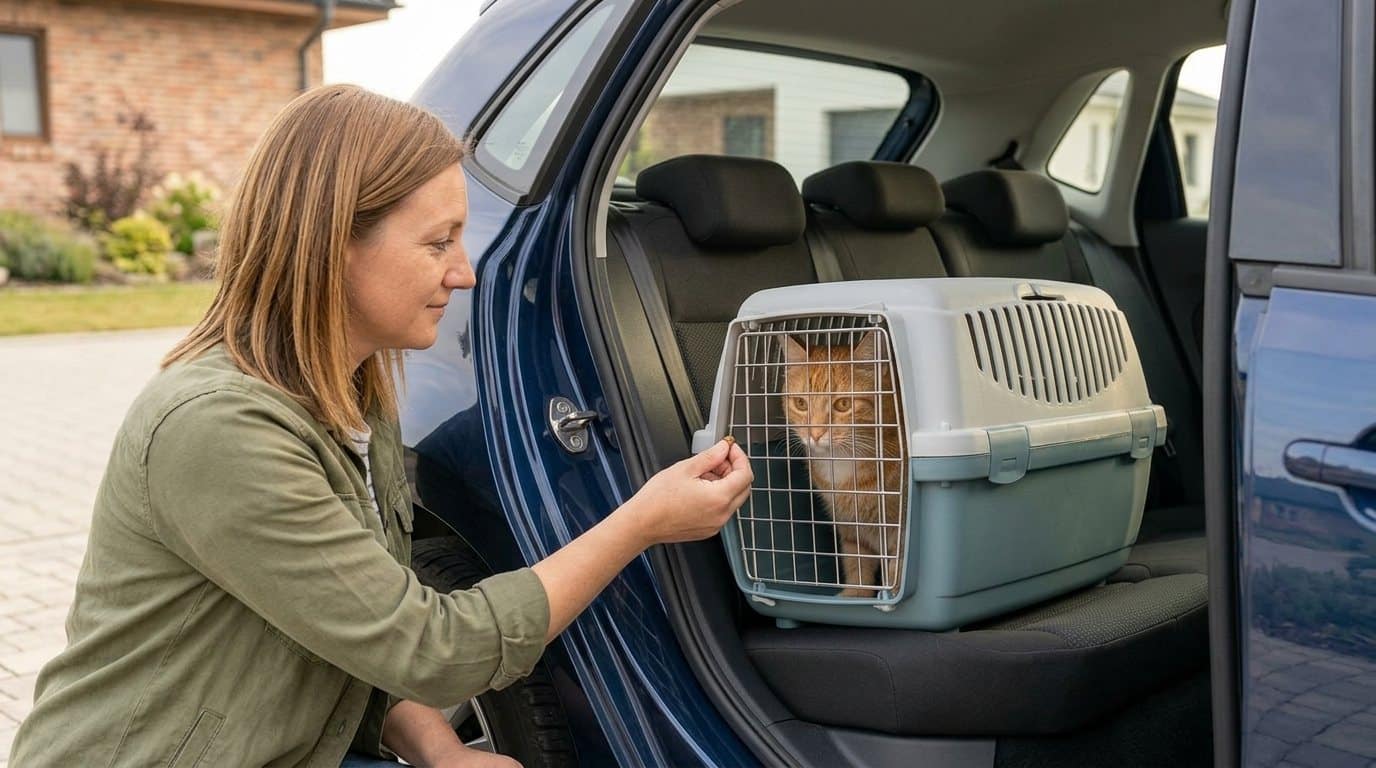
How to Get Your Cat Used to Car Rides
Part 3 of Dr. Cantamessa’s cat travel series: helping your cat accept the car itself, one small step at a time, from a closed door to a real drive.

Part 3 of Dr. Cantamessa’s cat travel series: helping your cat accept the car itself, one small step at a time, from a closed door to a real drive.
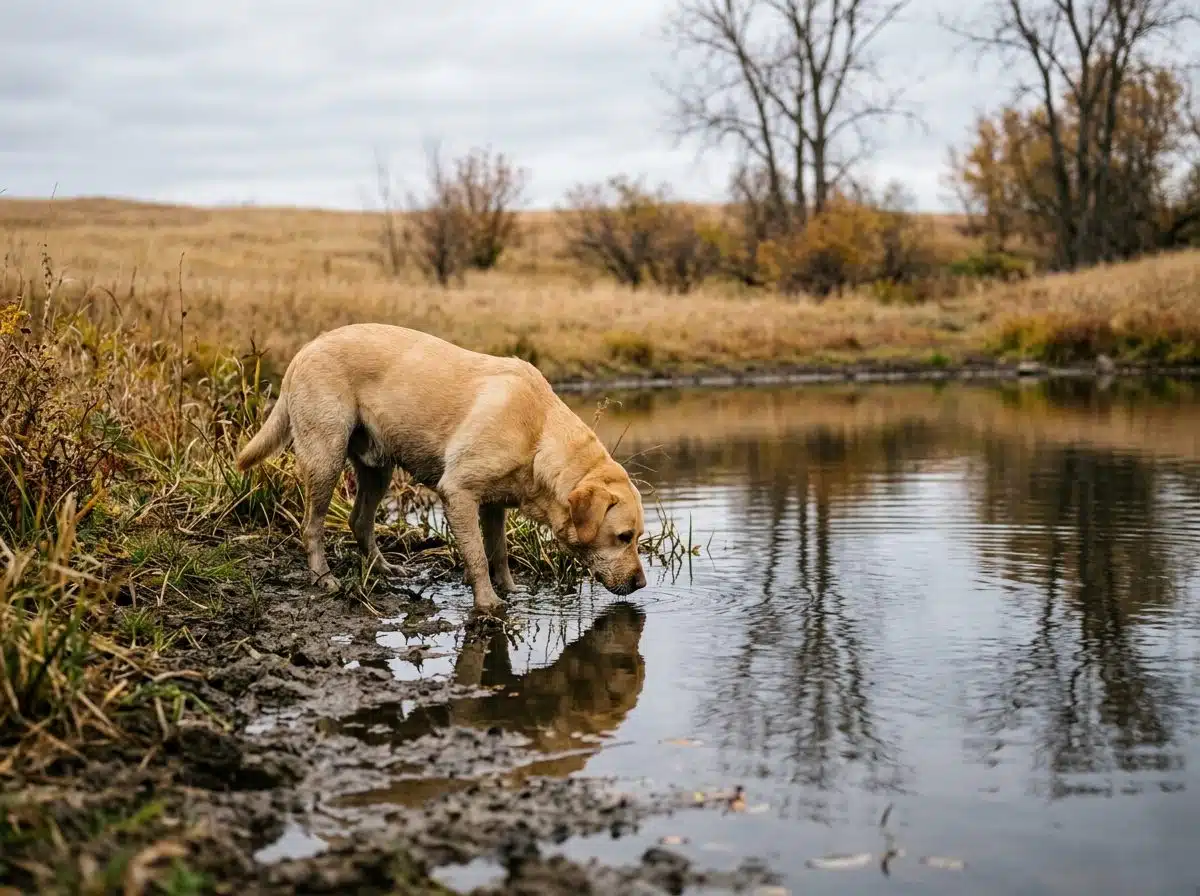

Leptospirosis lives in Montana’s water and wet ground. Dr. Amber Herron explains how dogs catch it, the early signs, the risk to people, and the lepto vaccine.
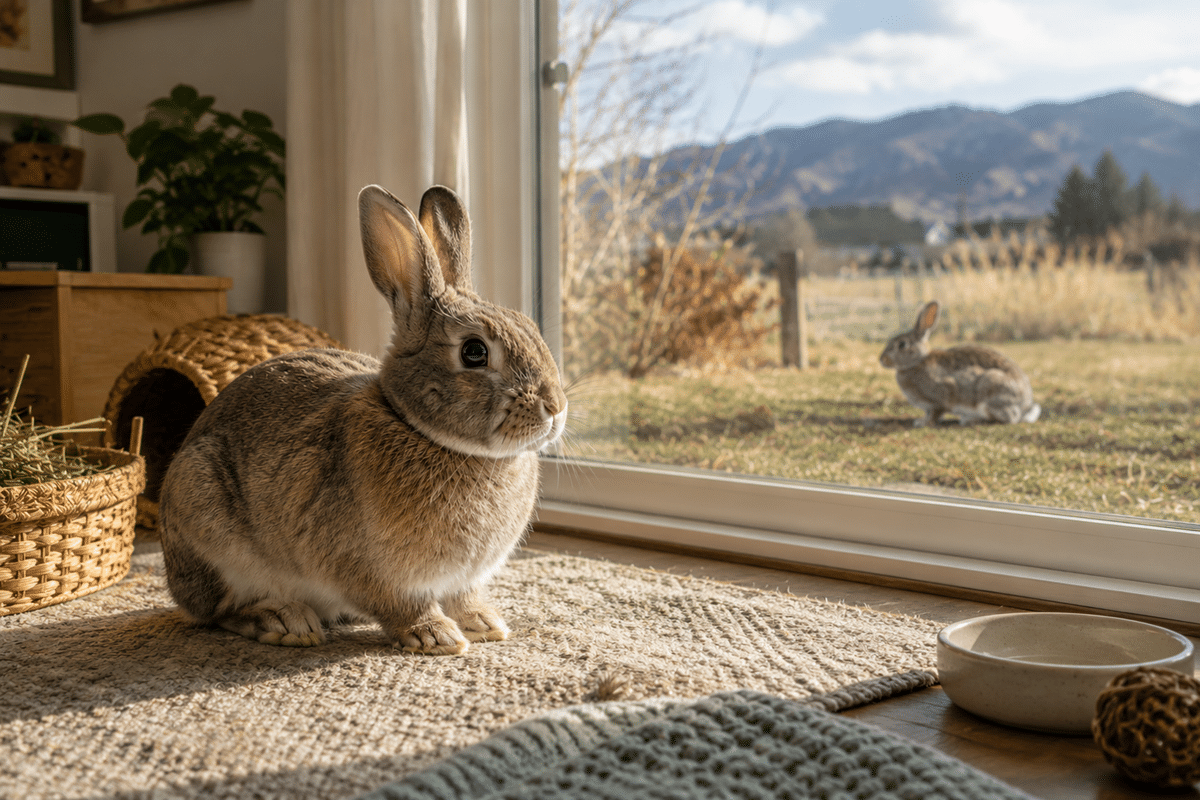
RHDV2 is in Montana’s wild rabbit population, and it kills pet rabbits fast — often before an owner notices anything is wrong. Dr. Amber Herron explains what rabbit hemorrhagic disease actually is, how it reaches an indoor rabbit that never meets a wild one, the signs worth knowing, and the three things that genuinely protect your rabbit — including the RHDV2 vaccine.

Successful canine reproduction requires more than watching for the right signs—it requires precise medical timing. Whether you are utilizing natural breeding, standard artificial insemination (AI), or transcervical insemination (TCI), accurate in-house progesterone testing is the most reliable way to identify the ovulation window.
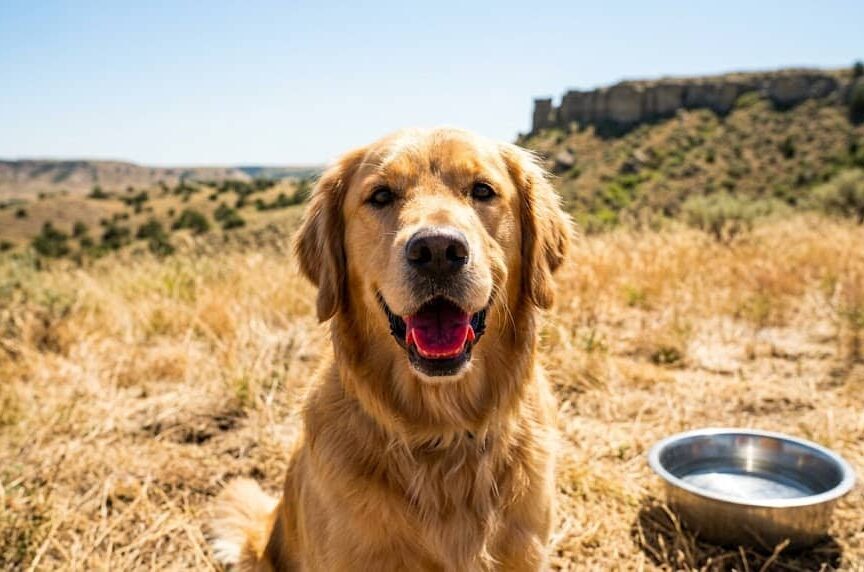
Summer in Montana brings long days and plenty of outdoor activity, but our dry heat and sudden temperature spikes introduce significant medical risks for the animals in our care. In this article, Dr. Amber Herron explains the clinical realities of heat stress across species to help owners in our region better understand, identify, and prevent thermal emergencies before they become life-threatening.
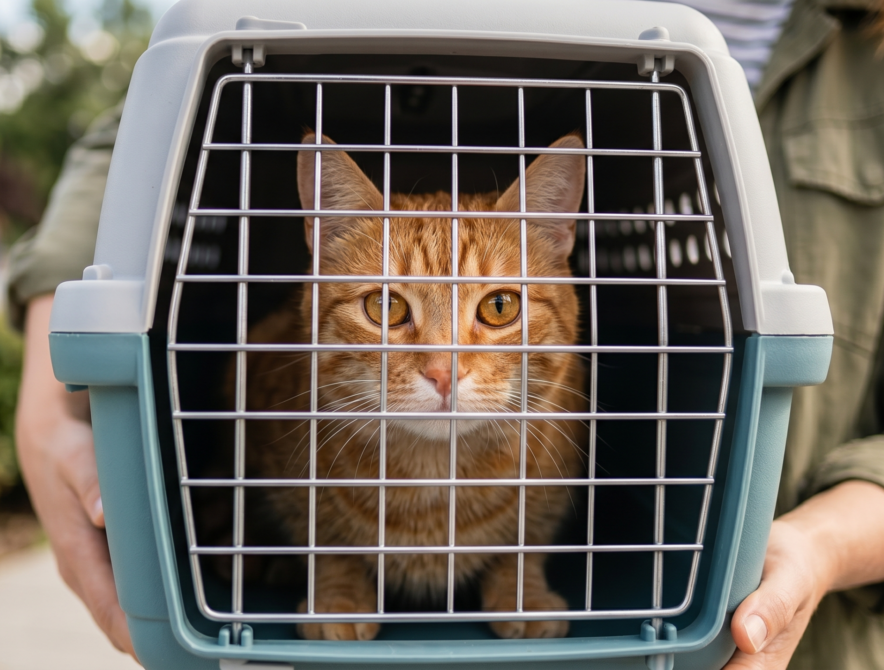
Dr. Erika Cantamessa, DVM at Caring Hands Veterinary Hospital in Billings, is back with Part 2 of our feline travel series. Now that your cat accepts their carrier as a safe space, learn practical, step-by-step advice for lifting and moving it without causing panic—ensuring the journey to the car is just as stress-free as the destination.

When managing a pet’s health, recognizing the difference between a temporary behavioral quirk and a true physiological stress response is a critical part of their care. In this article, Dr. Amber Herron explains the clinical realities of pet stress to help owners in our region better understand, identify, and medically manage anxiety to protect their animals’ long-term well-being.

When planning a litter, choosing between natural breeding and artificial insemination is one of the most significant decisions an owner will make. In this guide, Dr. Amber Herron explains the clinical realities of each method to help breeders in our region make the most informed, medically sound decisions for their dogs.
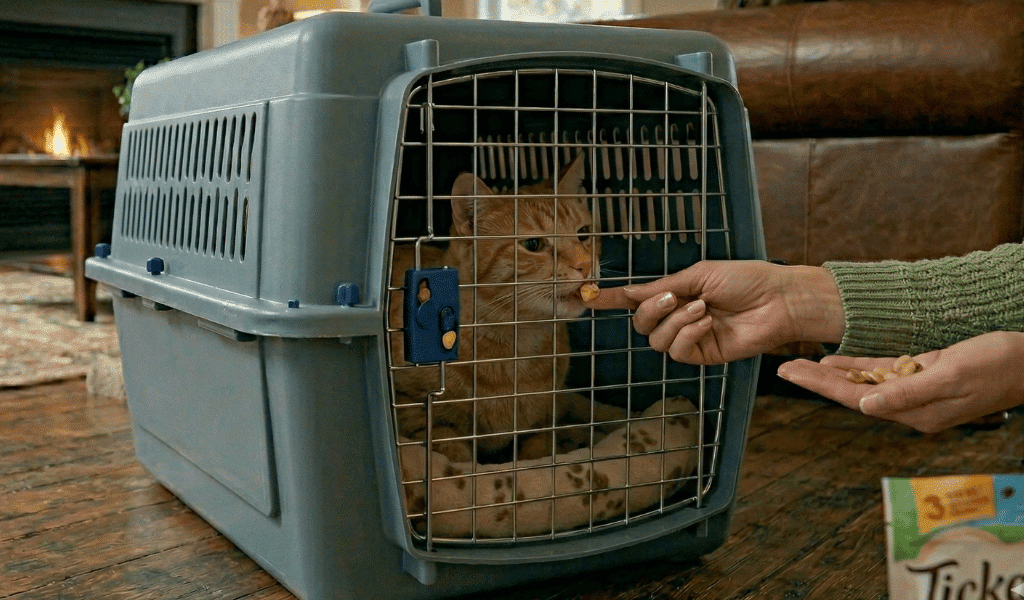
Dr. Erika Cantamessa, DVM at Caring Hands Veterinary Hospital in Billings, shares practical, step-by-step advice to help your cat stop dreading the carrier. Learn how to turn your cat’s carrier into a safe, happy place using positive reinforcement—so vet visits become routine instead of stressful ordeals for both of you and your feline friend.

At Caring Hands, our primary goal in vaccinating your pets is to protect them from preventable, life-threatening diseases. However, there is a secondary, lesser-known medical and financial benefit to having vaccines administered by a veterinarian rather than purchasing them over the counter. When a vaccine is properly handled and administered in a clinical setting, reputable manufacturers will typically cover treatment costs in the rare event of a severe reaction.
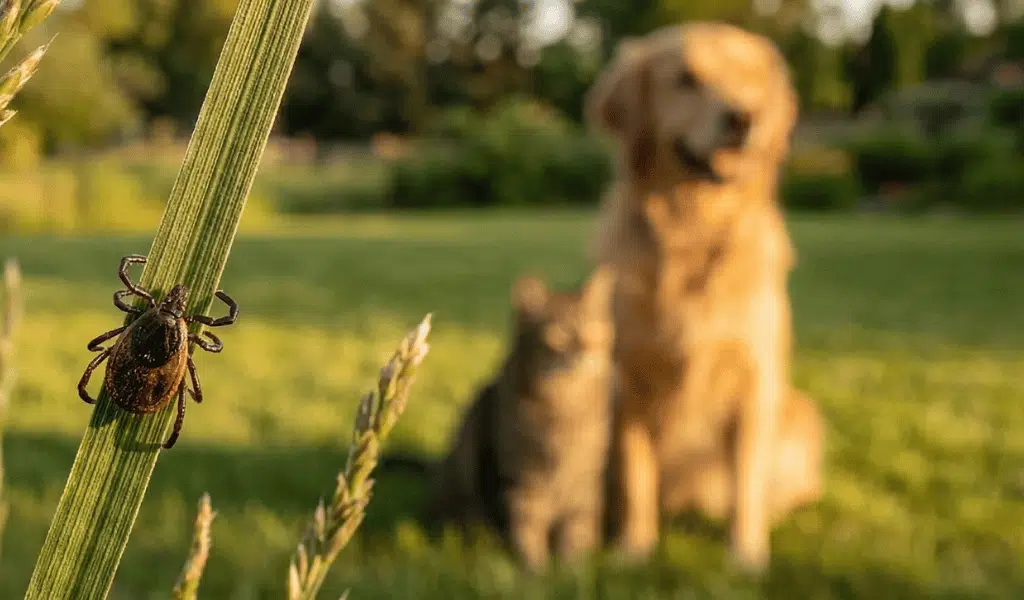
Parasites like fleas, ticks, mites, and lice are common problems for dogs and cats, even in places like Billings, Montana where winters can be cold. These pests do more than make pets itchy — they can spread diseases, cause skin infections, and create serious health problems for both animals and people. In this article, Dr. Erika Cantamessa explains the most common external parasites affecting pets and why prevention is so important.

Tick season in Montana often begins earlier than many pet owners expect. As temperatures rise above 40°F, ticks can become active — even if there’s still snow on the ground. With shifting weather patterns and longer active seasons, starting prevention before peak spring activity is one of the best ways to protect your pet. Here’s what Montana pet owners should know.